Turning grants into impact: How Wombat’s Wish supports grieving children
Posted on 15 Apr 2026
Share this article
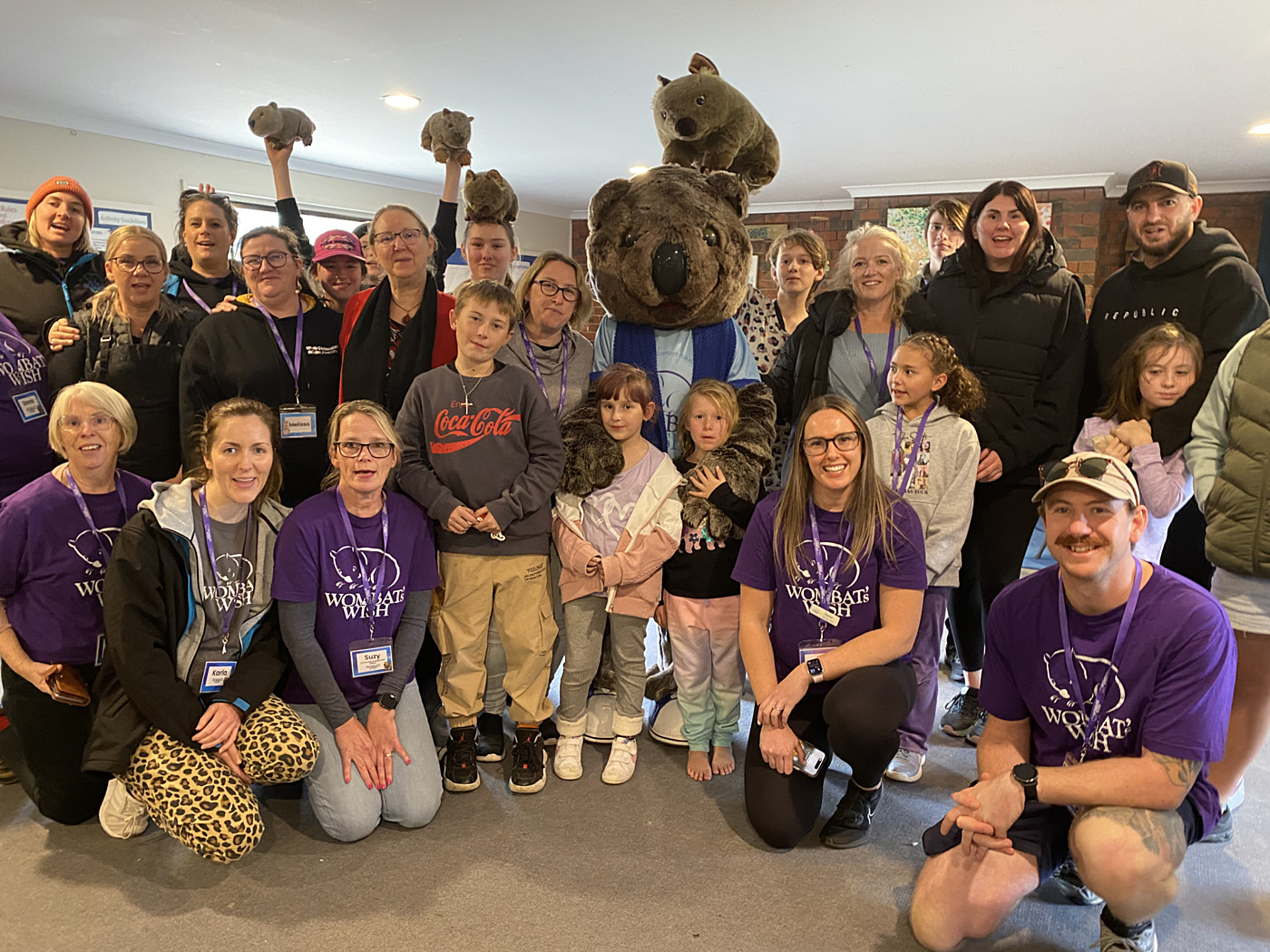
With the right tools and a clear story, this grassroots charity is achieving remarkable funding success.
Each month, we speak to a Funding Centre user about how they’re finding and winning grants. This month we spoke with Nicki Dunne, general manager at Wombat’s Wish.
Wombat’s Wish is a grassroots not-for-profit based in Clifton Springs, Victoria, that supports children and young people after the death of a parent or carer. Through therapeutic, evidence-based programs, the organisation helps families across the state navigate grief and build connection, resilience and hope.
Nicki, can you share a recent moment that reminded you why your work matters?
A recent moment was seeing the impact of our two most recent Weekend Grief Programs. Across both weekends, we watched children arrive feeling unsure, often isolated in their grief, and leave with a sense of connection, understanding and hope.
One young person shared, “I didn’t know other kids felt like me. Now I don’t feel so alone.” Another parent reflected, “This weekend gave us a way to talk about our grief together as a family. It’s something we hadn’t been able to do before.”
These moments are incredibly powerful. To witness children form friendships with others who understand the death of a parent, without needing to explain it, and to see families begin to communicate more openly, is why we do what we do.
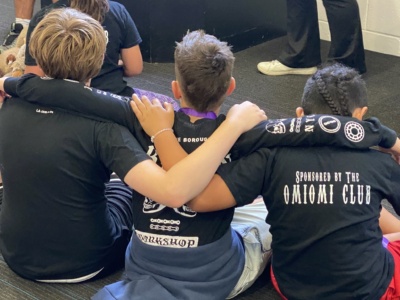
Grief can be such an isolating experience, particularly for children. Creating a space where it is normalised, supported and shared can be life-changing. While we can’t take away a child’s grief, we can walk alongside them and help them build the tools, confidence and connections they need to navigate it.
While we can’t take away a child’s grief, we can walk alongside them and help them build the tools, confidence and connections they need to navigate it.
How are you using the Funding Centre in your grant search process?
We use Funding Centre as a central tool for identifying and planning grant opportunities. As a small, non-government-funded charity, it’s essential that we stay proactive and strategic in our approach to fundraising, and the Funding Centre allows us to do exactly that.
We regularly search for grants aligned with our programs, particularly those focused on mental health, early intervention and vulnerable children. It helps us map upcoming opportunities so we can plan ahead rather than working reactively.
Having relevant funding streams in one place saves significant time and allows us to focus our energy on developing strong, tailored applications. It’s become an
important part of how we sustain and grow our services for children and families experiencing the death of a parent.
In 2025, you applied for 45 grants and secured 28. What’s behind that success?
That result has been a significant achievement for us, and I think it comes down to clarity, consistency and genuine impact.
We’re very clear about who we support – children and young people who have experienced the death of a parent – and why early intervention in grief is so critical. Our applications consistently demonstrate both the need and the evidence behind our work, alongside real stories and outcomes from the families we support.
We also take the time to carefully align each application with the funder’s priorities, rather than taking a one-size-fits-all approach.
Importantly, we can show measurable outcomes through our evaluation process, including improvements in emotional wellbeing, reduced isolation, and stronger family communication. This gives funders confidence that their investment is making a meaningful difference.
The funding we’ve secured goes directly into service delivery supporting our Weekend Grief Programs, youth camps and one-on-one counselling sessions. It also covers essential costs like accommodation, meals, therapeutic resources and qualified facilitators, ensuring families can attend at no cost.
Ultimately, this funding allows us to provide safe, supportive spaces where children can connect, build coping skills, and begin to navigate their grief in a healthy way.
What advice would you give to other grassroots organisations seeking funding?
Stay true to your purpose and tell your story with clarity and authenticity.
Funders connect with impact, not just activity. Be really clear about who you support, why your work matters, and the difference it makes. Don’t be afraid to include real stories and voices from your community – these are often the most powerful part of any application.
Funders connect with impact, not just activity.
It’s also important to be strategic. Take the time to align your work with the funder’s priorities rather than trying to fit every opportunity. A well-targeted, thoughtful application will always be stronger than a rushed one.
And don’t be discouraged by setbacks. Grant funding is competitive, but every application helps refine your message and strengthens the next one. Persistence, combined with a clear and consistent narrative, really does pay off.
What’s coming up for Wombat’s Wish?
We have some exciting milestones and events coming up this year.
On 4 July, we’re celebrating Wombat’s Wish turning 21, a significant milestone for our organisation. To mark this, we’re launching our “21 for 21” campaign, encouraging people to give $21, $210 or $2,100 to help us continue supporting children and young people who have experienced the death of a parent.
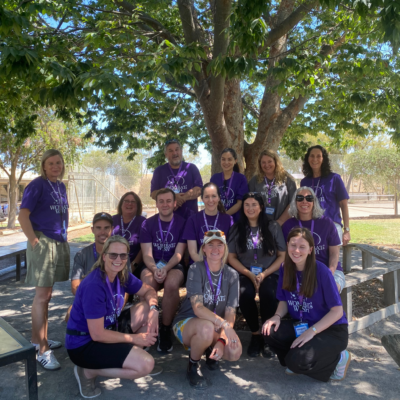
We also have our annual Wombat’s Walk on Sunday 11 October, our flagship fundraising event. It brings the community together to walk in memory of a loved one while raising vital funds for our programs. It’s a special day filled with connection, reflection and community spirit.
Both initiatives are crucial in ensuring we can continue to provide our services at no cost to families, and we warmly invite the community to get involved.
Want to be featured?
At the Funding Centre, we’re building a community of practical grantseekers who are making change happen. Throughout 2026, we’ll share monthly case studies like this one to spotlight what works in the real world.
Interested in being featured in an upcoming case study? We’d love to hear from you. Contact the Funding Centre to get involved.